What are dust meters?
At their base level, dust meters measure the solid particles in the air, varying in size with PM1 being the smallest particle with PM10 being the largest. Measuring these small particles can be difficult and requires specialised air quality equipment. Due to, even the largest particle being 30 times smaller than a human hair's width.
Air Quality & Dust Meter Measurement Methods
The 2 measurement methods we will focus on are the gravimetric and photometer methods,
Photometer air quality testing method: This method is a more popular and simpler method of testing. With no filters this testing method simply draws air into the testing chamber, where the particles disrupt light differing by particle size. This disruption of the light is what provides users with their own PM reading for air quality in the area. Nice and simple.
Gravimetric Measurement method, is a more advanced method that allows for a wider scope of testing. Special filters are used that are weighed before and after testing with the difference providing an average of particulates in the air over a time period. By using dedicated filters for each size of PM, normally PM1.0, PM2.5, and PM10. This is the more accurate method that also allows for further analysis of airborne particles as they are captured on the filters.
Both of these methods can be used in either outdoor or indoors, depending on your application will depend on what meter and testing method is suitable. At Instrument Choice we have all types of air quality sensors and meters, contact us if you need a hand with your monitoring requirements.
Frequently Asked Questions (FAQ)
How to monitor indoor Air Quality?
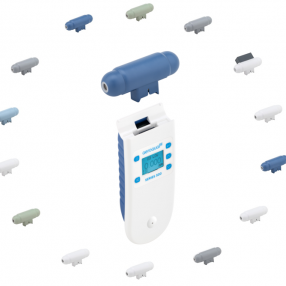
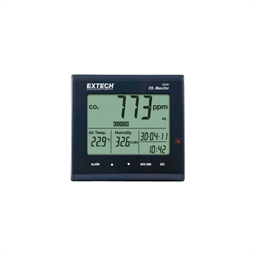
One of the most effective ways to monitor air quality indoors such as at home or the office is by setting up a suitable air quality meter. Many of these devices provide continuous data on ambient conditions. Able to be placed in key areas to ensure air quality limits are safe and optimal. One of the more popular indoor air quality sensors is the IC-UHOOIAQ. A popular meter, with smart phone integration to a free mobile app. This is one of the more popular indoor air quality meters in Australia while also being easy to use and set up. If you are wanting something more personal, have a look through our range of desktop air quality meters, great for personal monitoring.
Air Quality Monitoring On Worksites?
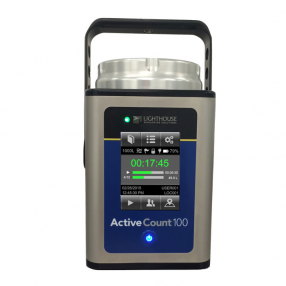
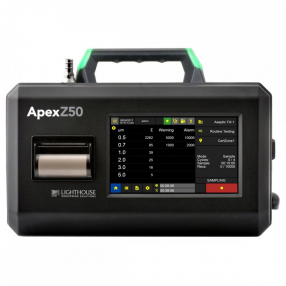
Being able to monitor and detect dangerous levels of particulate matter or gases on site is an effective control measure. These measurements can either be taken via personal sampling in a workers breathing zone or monitor the whole area. Weather monitoring air quality on mining sites, construction or demolition sites, effective worksite air quality monitoring is required for worker safety. Check out our range of portable air quality meters for portable solutions.
What is PM2.5, PM1.0, and PM10?
PM simply refers to the fine particulate matter that can be found in the air, and is the most common unit used in results. This number corresponds to the diameter of the matter, for example PM10 being the largest will be around 10 micrometres in size. Correspondingly a PM2.5 particle will be around 2.5 micrometres in size.
Contact us today to discuss your air measurement needs. If you have any more questions or queries on these amazing meters, feel free to reach out on 1300 737 871 or email the team on scientists@instrumentchoice.com.au.







 Air-Met Scientific | Air-MetER-AX-4H
 Air-Met Scientific | Air-MetER-AX-3H
 Air-Met Scientific | Air-MetER-AX-5
 Air-Met Scientific | Air-MetER-AX-6
 Air-Met Scientific | Air-MetER-AX-Q
 AUG Signals Ltd | AirSENCEFire-Watch
 Air-Met Scientific | Air-MetER-AX-2
 Ethera | NE-FOR011
 Ethera | NE-FOR012


